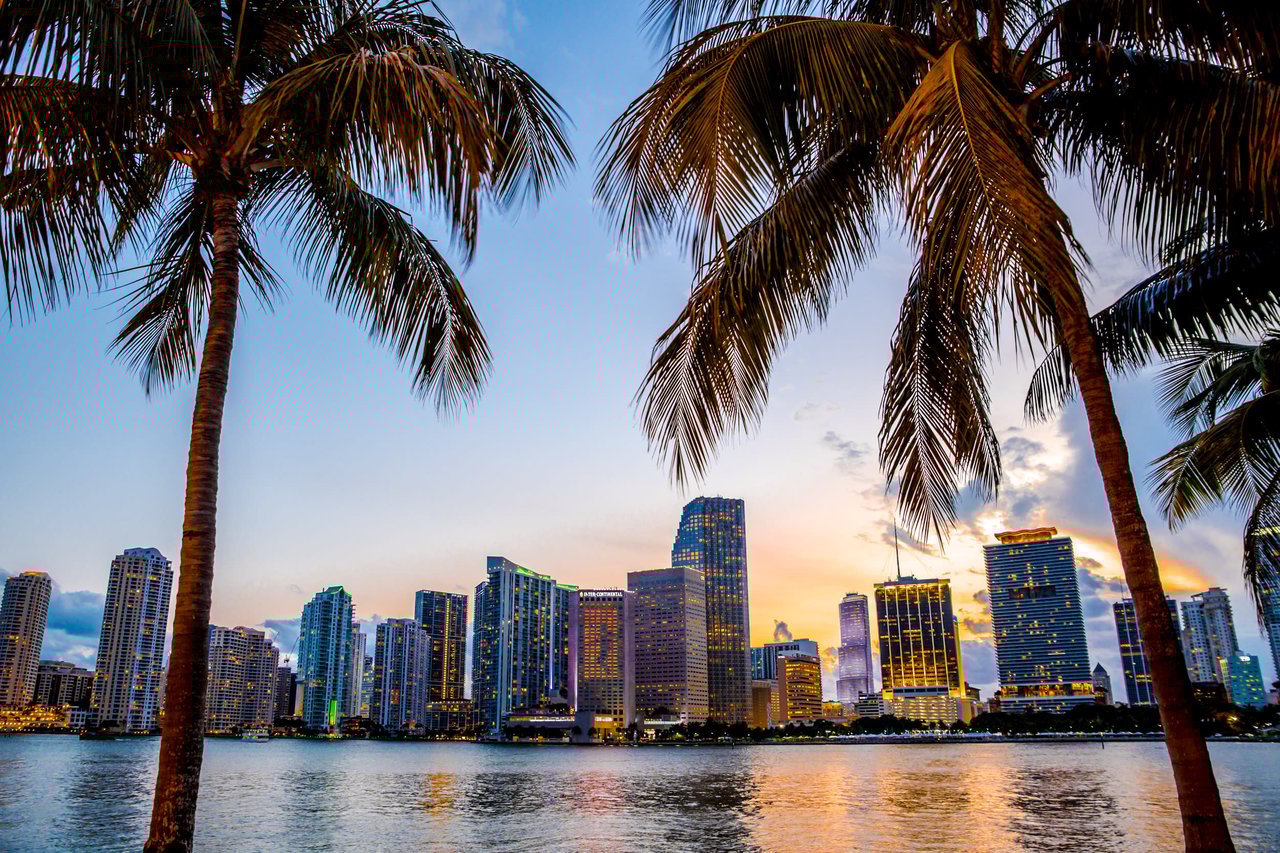
A hip neighborhood inside the city's financial epicenter
Question | Answer |
|---|---|
Is Downtown Tampa a good place to live? | Yes. Downtown Tampa is one of Florida's fastest-growing urban neighborhoods, offering luxury high-rise condominiums, walkable streets, waterfront parks, and convenient access to restaurants, entertainment, and major employers. |
What types of homes are available in Downtown Tampa? | Homebuyers can find luxury waterfront condominiums, penthouses, modern apartments, townhomes, and upscale residential towers with premium amenities and skyline or bay views. |
What is Downtown Tampa known for? | Downtown Tampa is known for the Tampa Riverwalk, Water Street Tampa, Amalie Arena, Curtis Hixon Waterfront Park, the Tampa Museum of Art, and its growing collection of luxury residences, restaurants, and entertainment venues. |
Is Downtown Tampa worth visiting? | Absolutely. Downtown Tampa is one of the city's top destinations, featuring waterfront parks, museums, professional sports, live entertainment, fine dining, rooftop bars, and attractions along the Tampa Riverwalk. |
What is the nightlife like in Downtown Tampa? | Downtown Tampa offers a vibrant nightlife scene with rooftop bars, craft cocktail lounges, live music venues, upscale restaurants, breweries, and entertainment districts like Water Street Tampa and nearby Channelside. |
Can you walk Downtown Tampa? | Yes. Downtown Tampa is one of Florida's most walkable downtowns. Many residents and visitors explore the area on foot using the Tampa Riverwalk, which connects parks, museums, restaurants, hotels, and entertainment venues. |
What is the main downtown street in Tampa? | Franklin Street is considered the historic main street of Downtown Tampa, while Water Street Tampa has become one of the city's premier destinations for luxury living, dining, shopping, and entertainment. |
What are the major annual events in Downtown Tampa? | Downtown Tampa hosts many signature events throughout the year, including the Gasparilla Pirate Festival, Tampa Riverfest, holiday boat parades, concerts, food festivals, and numerous events at Curtis Hixon Waterfront Park and Amalie Arena. |
What are the public transportation options in Downtown Tampa? | Residents and visitors can use the free TECO Line Streetcar, the Downtowner shuttle, HART buses, the Cross-Bay Ferry, rideshare services, and the Tampa Riverwalk to easily navigate Downtown Tampa and nearby neighborhoods such as Ybor City and Channelside. |
What schools serve Downtown Tampa? | Downtown Tampa is served by Hillsborough County Public Schools, along with several charter and private schools nearby. Families also have convenient access to higher education institutions throughout the Tampa Bay area. |
What is the real estate market like in Downtown Tampa? | Downtown Tampa remains one of Florida's strongest urban real estate markets. Demand for luxury condominiums and waterfront residences continues to grow due to ongoing redevelopment, limited inventory, and the area's expanding business and entertainment districts. |
What is it like to live in Downtown Tampa? | Living in Downtown Tampa offers an energetic urban lifestyle with waterfront views, walkable neighborhoods, luxury amenities, professional sports, cultural attractions, and easy access to shopping, dining, and Tampa International Airport. |
Why do luxury homebuyers choose Downtown Tampa? | Luxury buyers are drawn to Downtown Tampa for its waterfront high-rises, vibrant city lifestyle, Riverwalk access, world-class dining, professional sports, and continued investment in transformative developments like Water Street Tampa. |
1,365 people live in Downtown, where the median age is 32 and the average individual income is $78,530. Data provided by the U.S. Census Bureau.
Total Population
Median Age
Population Density Population Density This is the number of people per square mile in a neighborhood.
Average individual Income
Downtown has 720 households, with an average household size of 2. Data provided by the U.S. Census Bureau. Here’s what the people living in Downtown do for work — and how long it takes them to get there. Data provided by the U.S. Census Bureau. 1,365 people call Downtown home. The population density is 20,730.527 and the largest age group is Data provided by the U.S. Census Bureau.
Total Population
Population Density Population Density This is the number of people per square mile in a neighborhood.
Median Age
Men vs Women
Population by Age Group
0-9 Years
10-17 Years
18-24 Years
25-64 Years
65-74 Years
75+ Years
Education Level
Total Households
Average Household Size
Average individual Income
Households with Children
With Children:
Without Children:
Marital Status
Blue vs White Collar Workers
Blue Collar:
White Collar: