By Juliana Savoia Group
Square footage is the number everyone asks about first, but in Miami, it's rarely what determines whether a home actually works for the life you are building.
The city's inventory spans everything from waterfront estates in Coral Gables to high-rise condos in Brickell to historic bungalows in Coconut Grove. The buyers who end up most satisfied are the ones who came prepared with a deeper set of questions.
Read on to explore the categories that matter most and the specific factors worth examining in every Miami home you tour.
Key Takeaways
- Layout, flow, and natural light: These features often matter more than raw numbers
- Miami's climate creates specific evaluation priorities: Flood zones, hurricane impact windows, and HVAC condition are non-negotiable inspection points in this market
- Location within a neighborhood shapes daily life: The block, the street orientation, and proximity to specific amenities can vary significantly even within the same zip code
- Condition signals future cost: A home's maintenance history is a direct predictor of what you will spend in the first three to five years of ownership
Layout and Flow: How a Home Actually Lives
The floor plan in a listing photograph and the experience of walking through a home are two entirely different things.
Layout Factors Worth Evaluating on Every Tour
- Natural light throughout the day: Miami's sun orientation means that a home facing north may feel dramatically darker than a south- or east-facing equivalent
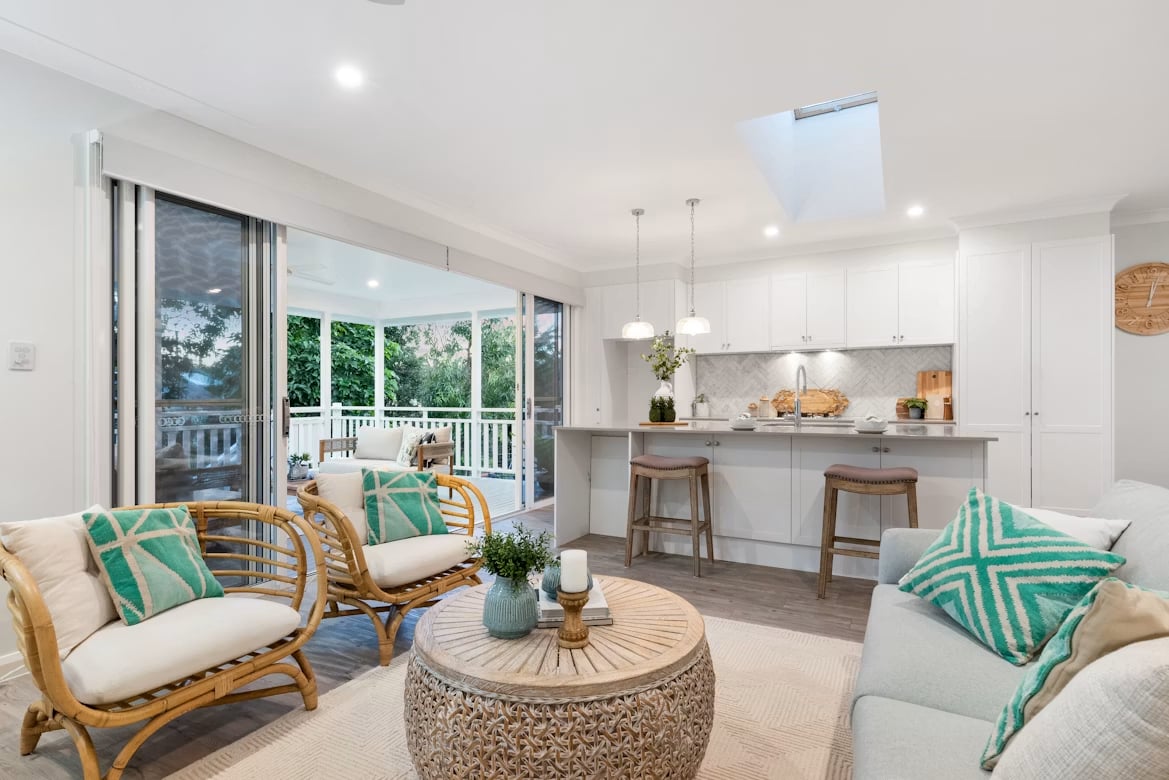
- Kitchen position relative to living and dining: Open-plan kitchens that connect visually to living and outdoor spaces are the standard expectation in Miami's market, and homes where the kitchen feels isolated from the rest of the living area often require significant renovation to correct
- Bedroom separation: Families and buyers who work from home should evaluate how well the floor plan separates sleeping areas from active living spaces
- Indoor-outdoor connection: In a city where outdoor living is not seasonal but daily, evaluate how directly and naturally the main living areas connect to any terrace, lanai, pool deck, or yard
Layout is where many buyers discover that a home they loved online does not work for the way they actually live.
Structural and Systems Condition: What Lives Behind the Walls
In Miami, the condition of a home's systems and structure carries higher stakes than in most other U.S. markets.
Condition Factors That Require Close Attention in Miami
- Hurricane impact windows and doors: Verify whether the home has full impact-rated window and door protection
- Roof age and condition: Miami roofs face intense UV exposure and periodic hurricane-force wind events
- HVAC system age and capacity: Air conditioning runs nearly year-round in Miami, and an undersized system, aging, or poorly maintained will reveal itself quickly in both comfort and utility bills
- Flood zone designation: Miami-Dade County's FEMA flood zone map is a critical document for any home purchase
The combination of humidity, salt air, hurricane exposure, and flood risk means that deferred maintenance compounds faster and costs more here than in drier, less weather-exposed climates.
Location Quality: What the Address Actually Means
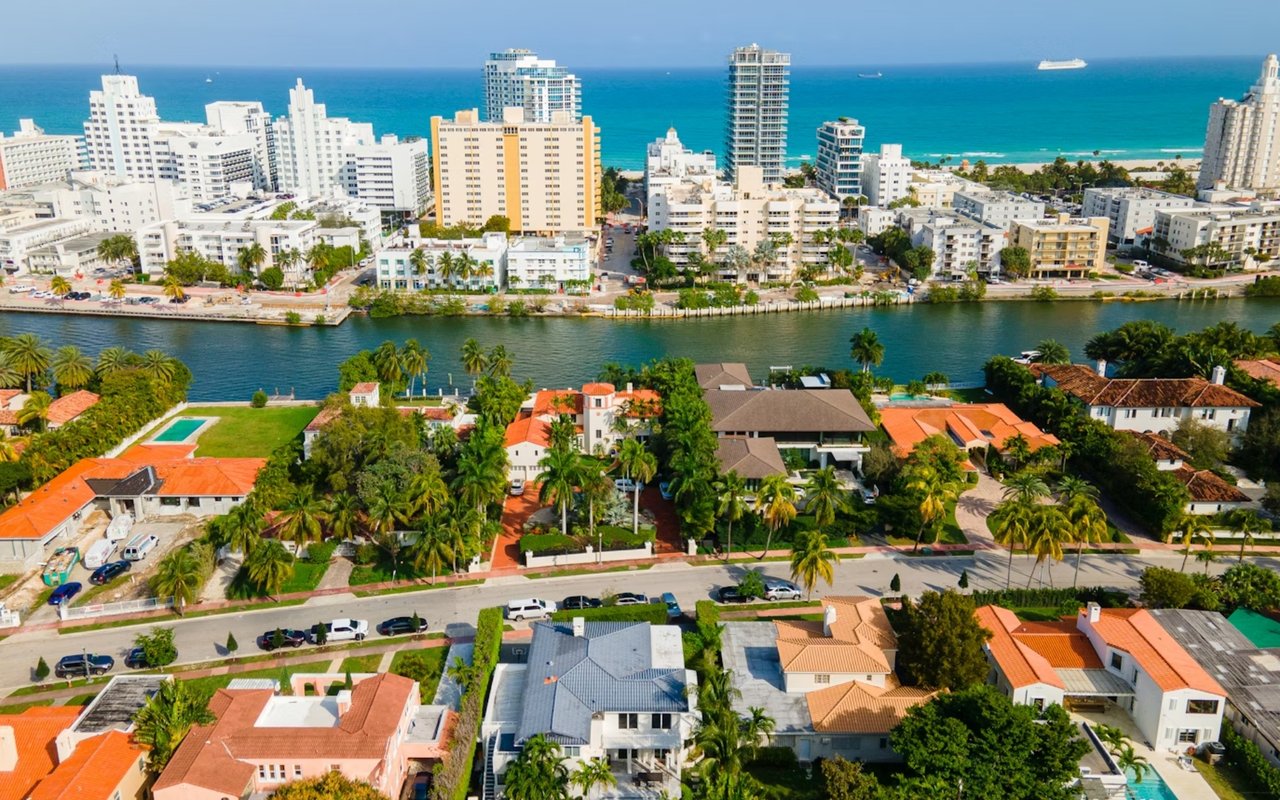
Miami is a city of micro-neighborhoods where the experience of living at one address can differ substantially from an address three blocks away.
Location Factors That Shape the Living Experience
- Block character and immediate neighbors: Walk the block at different times of day to get a feel for the immediate street environment, the condition of neighboring properties, and the level of foot and vehicle traffic
- Flood and storm surge exposure specific to the lot: Even within the same flood zone designation, individual lots vary in elevation and exposure
- Street noise and traffic patterns: In Miami's denser neighborhoods and corridors, street noise can vary substantially between a quiet residential block and an arterial road a few hundred feet away
- Future development in the immediate area: Research any approved or pending development projects near the property, as new construction can affect views, traffic, light, and neighborhood character
Understanding what to look for in a new home means evaluating not just the property but the specific block, the immediate surroundings, and how the location functions in daily life.
Outdoor Space and Building Envelope: Miami-Specific Priorities
A pool, a covered terrace, a boat dock, or even a well-oriented driveway can represent significant value that does not show up clearly in the listing price per square foot.
Outdoor and Exterior Factors to Evaluate Carefully
- Pool condition and equipment age: Evaluate the age and condition of the pump, heater, and filtration equipment, check for cracking or resurfacing needs in the shell, and factor ongoing maintenance costs into your total ownership budget
- Covered outdoor living space: Covered terraces, loggias, and screen enclosures extend the usability of outdoor areas during Miami's rainy season and create protected outdoor space that is genuinely usable year-round
- Landscaping maturity and irrigation: Mature tropical landscaping takes years to establish and represents real value, but it also requires maintenance
- Garage and storage: Miami's lack of basements means that garage and attic space are the primary storage options in most homes
Also, inspect the exterior walls, trim, caulking, and any painted surfaces for signs of deterioration.
FAQs
How important is flood zone status when buying a home in Miami?
It's one of the most consequential factors in total ownership cost. We always review flood zone designation and elevation certificates as part of our due diligence process with buyers.
Should I prioritize a newer home or an older home with more character in Miami?
Both have genuine trade-offs. Newer construction typically offers current building codes, impact-rated windows, modern HVAC, and lower near-term maintenance costs. Older homes in established neighborhoods often offer larger lots, mature landscaping, architectural character, and locations that newer construction cannot replicate.
How many homes should I tour before making an offer in Miami?
There is no universal number, but buyers who tour a range of properties develop a much more calibrated sense of value, condition, and what trade-offs they are and are not willing to make.
Contact Juliana Savoia Group Today
In a market as varied and fast-moving as Miami, knowing what to look for in a new home before you start touring is what separates buyers who find the right property from buyers who settle.
We work with buyers across Miami's most sought-after neighborhoods, which will help you evaluate every property clearly and act confidently when the right one appears.
We work with buyers across Miami's most sought-after neighborhoods, which will help you evaluate every property clearly and act confidently when the right one appears.