Buying a home in Coral Gables from abroad can feel exciting and complex at the same time. You may be balancing currency, timing, tax questions, remote paperwork, and a very specific vision for the kind of property you want. The good news is that with the right local guidance, you can move through the process with more clarity and fewer surprises. Here’s what to know before you start your Coral Gables search.
Why Coral Gables Stands Out
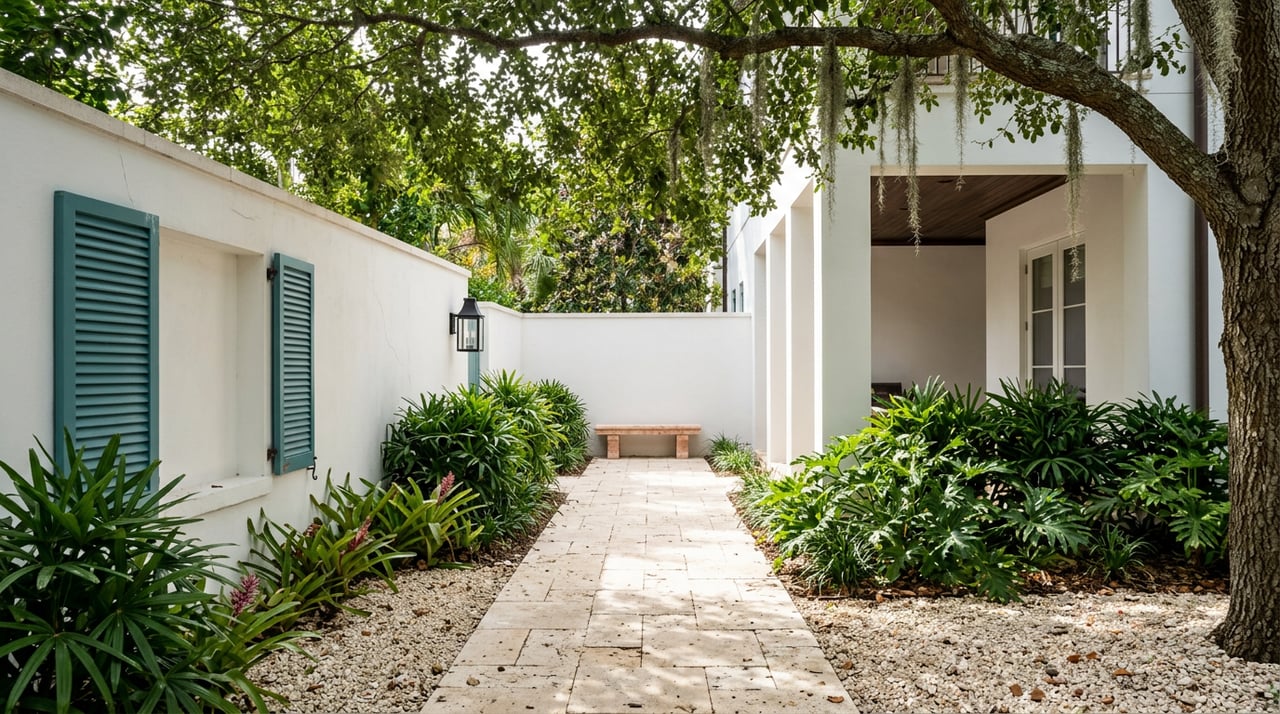
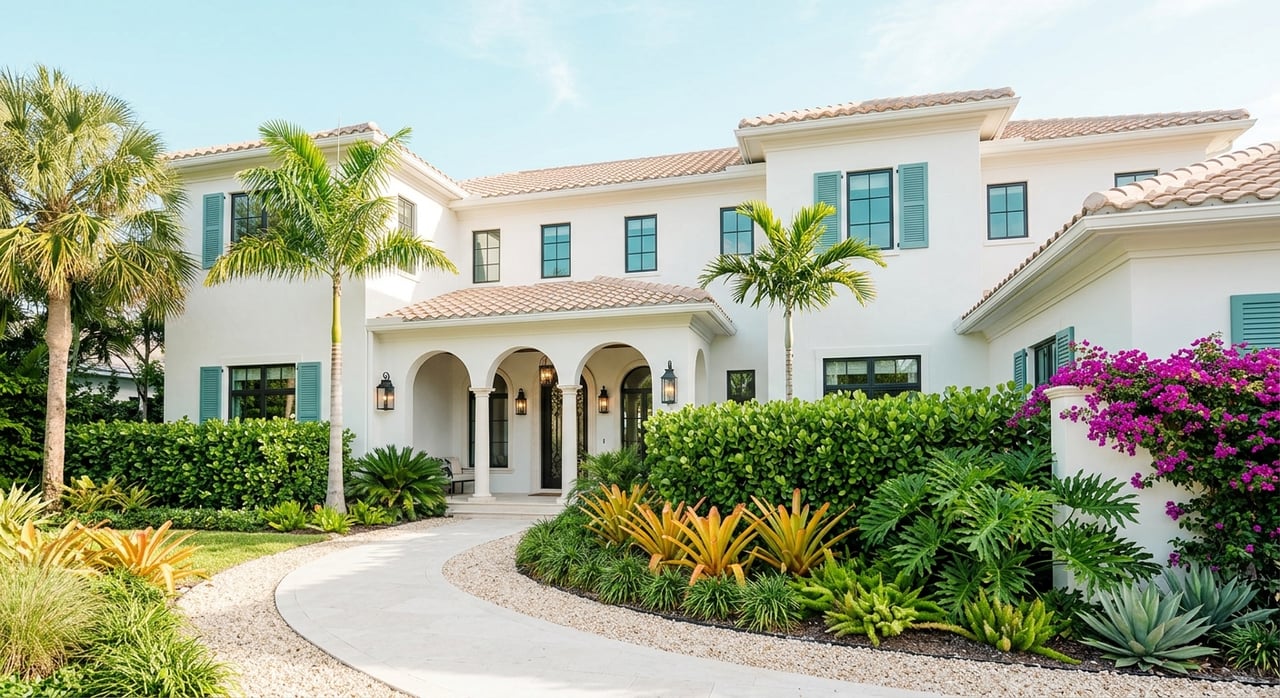
Coral Gables is not just another Miami-area market. It is a planned city incorporated in 1925, known for its Mediterranean Revival character, tree-lined boulevards, monumental entrances, and landmarks like City Hall and the Venetian Pool.
For many international buyers, that identity is part of the appeal. You are not only buying a home, but also buying into a place with a distinct architectural look and a strong local framework designed to preserve it.
Design rules matter here
Coral Gables has Historic Preservation and Board of Architects review systems that help protect the city’s traditional aesthetic. If you are considering a property with plans for exterior updates, additions, or a future teardown, you should expect more design review than you might find in a more typical suburban market.
That review can affect both timing and budget. The city also requires a tree survey and tree protection plan for certain development filings and demolition permits, and some larger reviews can take months rather than weeks.
How Coral Gables compares nearby
If you are comparing neighborhoods, it helps to understand the broader Miami-Dade context. Coconut Grove is known for its historic character, lush tropical feel, sidewalk cafes, eclectic boutiques, and waterfront parks. Brickell and Downtown Miami are more high-rise and urban, with arts, shopping, nightlife, and bayfront parks.
Pinecrest offers a more suburban setting with an upscale residential feel and a botanical oasis. Miami Beach, especially Mid Beach, is more shoreline- and condo-oriented, with a strong hospitality and beachfront lifestyle.
Start With Budget, Not Just Price
Many international purchases begin with liquidity planning first and financing second. That is especially true in Florida, which remained the top destination for international buyers in the latest National Association of Realtors report, and where 47% of international buyers paid cash compared with 28% among all buyers.
In a market like Coral Gables, the purchase price is only one part of the equation. Your real decision should focus on the full carrying cost and how the property fits your broader wealth and lifestyle goals.
Budget for the full monthly picture
When you build your budget, include more than principal and interest. The Consumer Financial Protection Bureau recommends planning for property taxes, insurance, homeowners association dues, closing costs, moving costs, repairs, and improvements.
That advice is especially important in Coral Gables, where insurance, taxes, and association expenses can meaningfully change the monthly cost of ownership. A home that looks straightforward on paper can feel very different once every recurring expense is included.
Flood insurance deserves separate attention
In Florida, flood coverage should be treated as its own line item. Florida’s insurance consumer guidance says flood insurance is worth considering even outside mapped flood zones, and a lender may require it if you are financing the purchase.
For an international buyer, that makes early insurance planning essential. It is better to understand the likely insurance picture before you negotiate than to be surprised late in the process.
Financing Options Require Early Preparation
If you plan to finance, start early. The Consumer Financial Protection Bureau recommends building your advisory team in advance, getting at least three preapprovals, and comparing at least three loan offers from different lenders.
That comparison matters because international borrower documentation can vary from lender to lender. You want a financing path that fits your income profile, documentation structure, and timeline.
Cash buyers still need a plan
Even if you expect to pay cash, you still need a disciplined process. Proof of funds, transfer timing, currency movement, and closing logistics all deserve attention early.
A strong cash position can make your offer more competitive, but it does not replace due diligence. In Coral Gables, the right planning often matters just as much as speed.
Understand Ownership Structure Early
One of the most important early decisions is how you will hold title. Buying in your individual name, through an LLC, or through a trust is not just a paperwork choice. It is a legal and tax decision.
The Consumer Financial Protection Bureau encourages buyers to build a network of advisors and research closing service providers, including attorneys. For international buyers, that often means speaking with a Florida real estate attorney and a CPA or tax advisor before you finalize your purchase structure.
FIRPTA is a key cross-border issue
If you buy from a foreign seller, FIRPTA may apply. IRS guidance says buyers generally must withhold and report tax on purchases from foreign persons using Forms 8288 and 8288-A, and the withholding rate is generally 15% of the amount realized.
This is one of the most important cross-border tax checkpoints in a Florida transaction. It should be flagged early so your closing team can prepare properly and avoid delays.
Condo and HOA Review Is Critical
If you are buying a condominium or a home in an association, document review is a major part of due diligence. In South Florida, association rules, budgets, and financial health can directly affect both your lifestyle and your long-term costs.
For resale condominiums, Florida law says the buyer should receive key documents at least seven days before execution, including the declaration, articles, bylaws, rules, the most recent annual financial statement and budget, and the FAQs document. If that package is not delivered, the contract can be voidable for seven days after receipt.
HOA disclosures have separate rules
For homeowners’ associations, Florida law requires a disclosure summary before execution. If that disclosure was not provided, the contract can be voidable for three days.
For you as a buyer, the practical takeaway is simple. Make sure the condo or HOA package is complete, current, and reviewed carefully before you commit.
Remote Closings Are Often Possible
Many international buyers assume they must be physically present in Florida to close. In reality, Florida’s online notarization law allows a principal to be outside the state, requires identity verification by audio-video communication, and records the session.
That can make cross-border signings much more manageable. If documents need authentication, Florida’s Secretary of State is the competent authority for apostille and notarial certifications on Florida documents.
Wire security should be taken seriously
Remote closings can be efficient, but they also require caution. The Consumer Financial Protection Bureau warns that mortgage closing scams often target buyers in the days before closing.
If funds will be wired internationally or across accounts, verify instructions carefully through trusted contacts on your closing team. A careful process is part of protecting your transaction.
Watch the Tax Bill After Closing
Property taxes can be a point of confusion for international buyers, especially if you are comparing a seller’s current bill to your future cost. In Miami-Dade, the homestead exemption applies to a home that is the owner’s permanent residence, and the application deadline is March 1.
If you are buying a second home or investment property, you should not assume homestead treatment. You should also know that a seller’s current tax bill may look lower than what you will pay after transfer because the property can reset toward market value.
Build the Right Coral Gables Team
A smooth international purchase usually depends on having the right local professionals around you from the start. The most useful team often includes a buyer’s agent with Coral Gables neighborhood and design-review experience, a lender comfortable with international documentation, a title or settlement professional, a Florida real estate attorney, a CPA or tax advisor, and an insurance broker.
That local experience matters in Coral Gables because the questions are more specific than in many other markets. You want to know whether a property is in a historic district, whether planned changes could trigger design review, what the true carrying cost will be, whether association documents are complete, and whether remote closing is workable for your timeline.
What to ask before making an offer
Before you move forward on a Coral Gables property, focus on these practical questions:
- Is the property in a historic district or subject to local design review?
- Would an addition, exterior update, or teardown require Board of Architects or historic preservation review?
- What is the full monthly carrying cost after taxes, insurance, flood coverage, dues, and any special assessments?
- Are all condo or HOA documents complete and current?
- Does your financing path match your documentation and timing needs?
- Can the closing be signed remotely if needed?
These questions can help you make a more informed decision and reduce last-minute surprises.
Coral Gables can be an outstanding fit if you value architectural character, long-term appeal, and a more structured ownership environment. For international buyers, the key is to approach the purchase with financial discipline, local due diligence, and a team that understands both the neighborhood and the cross-border process.
If you are planning a Coral Gables purchase and want a finance-minded, high-touch guide through the process, connect with Juliana Savoia for a private consultation.
FAQs
What makes Coral Gables different for international homebuyers?
- Coral Gables has a distinct Mediterranean Revival identity and local preservation and design-review systems, so exterior changes, additions, and some redevelopment plans may face more review than in other nearby markets.
What should international buyers budget for when purchasing a Coral Gables home?
- In addition to the purchase price, you should budget for property taxes, homeowners insurance, flood insurance, association dues if applicable, closing costs, moving expenses, repairs, and improvements.
Can an international buyer finance a home purchase in Coral Gables?
- Yes, but you should prepare early, compare at least three preapprovals and three loan offers, and work with a lender who is comfortable with international borrower documentation.
Can an international buyer close on a Coral Gables property remotely?
- Yes, Florida allows online notarization with identity verification by audio-video communication, which can make remote closings more practical for buyers outside the state or outside the country.
Why do Coral Gables buyers need to review condo or HOA documents carefully?
- Association documents can affect your costs, property use, and contract rights, and Florida law gives buyers specific disclosure protections for resale condominiums and homeowners’ associations.
How do Miami-Dade property taxes affect international buyers in Coral Gables?
- If you are buying a second home or investment property, you should not assume homestead treatment, and the prior owner’s tax bill may be lower than your future bill because taxes can reset toward market value after transfer.